2026 CQ WPX SSB - HD8R
This contest was not originally planned for me to operate. Mariano LU8EOT was going to do it remotely, but we couldn't get the configuration to a point where a serious effort was possible. He tried until the last minute to adjust his work schedule to come to the station, but it didn't work out. Eventually, he told me: "You go!"
He even booked the flights for me. No small challenge — the only options available started Wednesday of contest week.
Not being a phone operator myself added a bit of anxiety. Arriving just two days before the contest was also far from ideal.
The Operation
- Callsign: HD8R
- Operator: LU5DX
- Category: Single-Op All Band, High Power (SO2R)
- QTH: Galápagos (South America)
- Operating time: 36 hours
- Club: Araucaria DX Group
Wednesday: Arrival
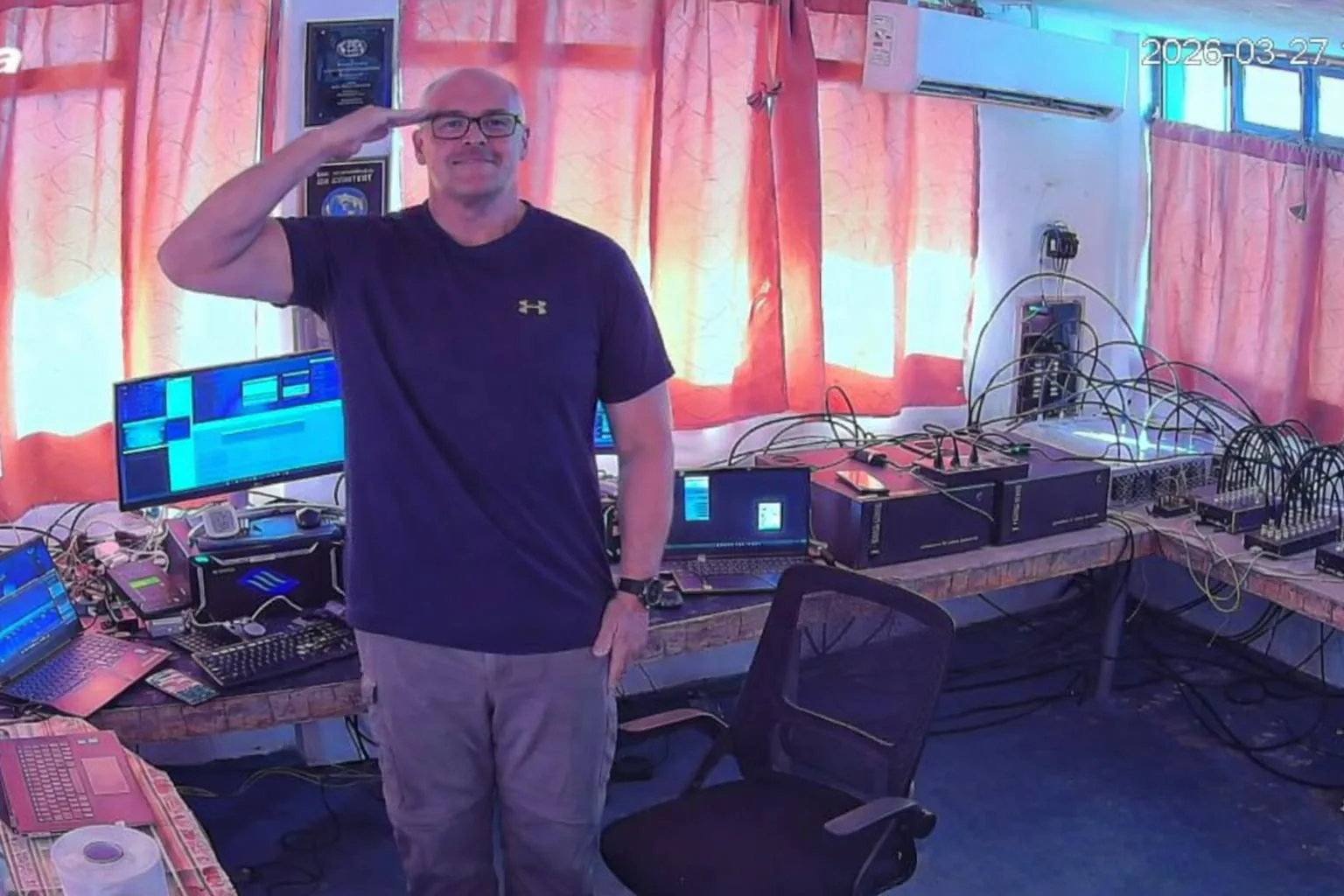
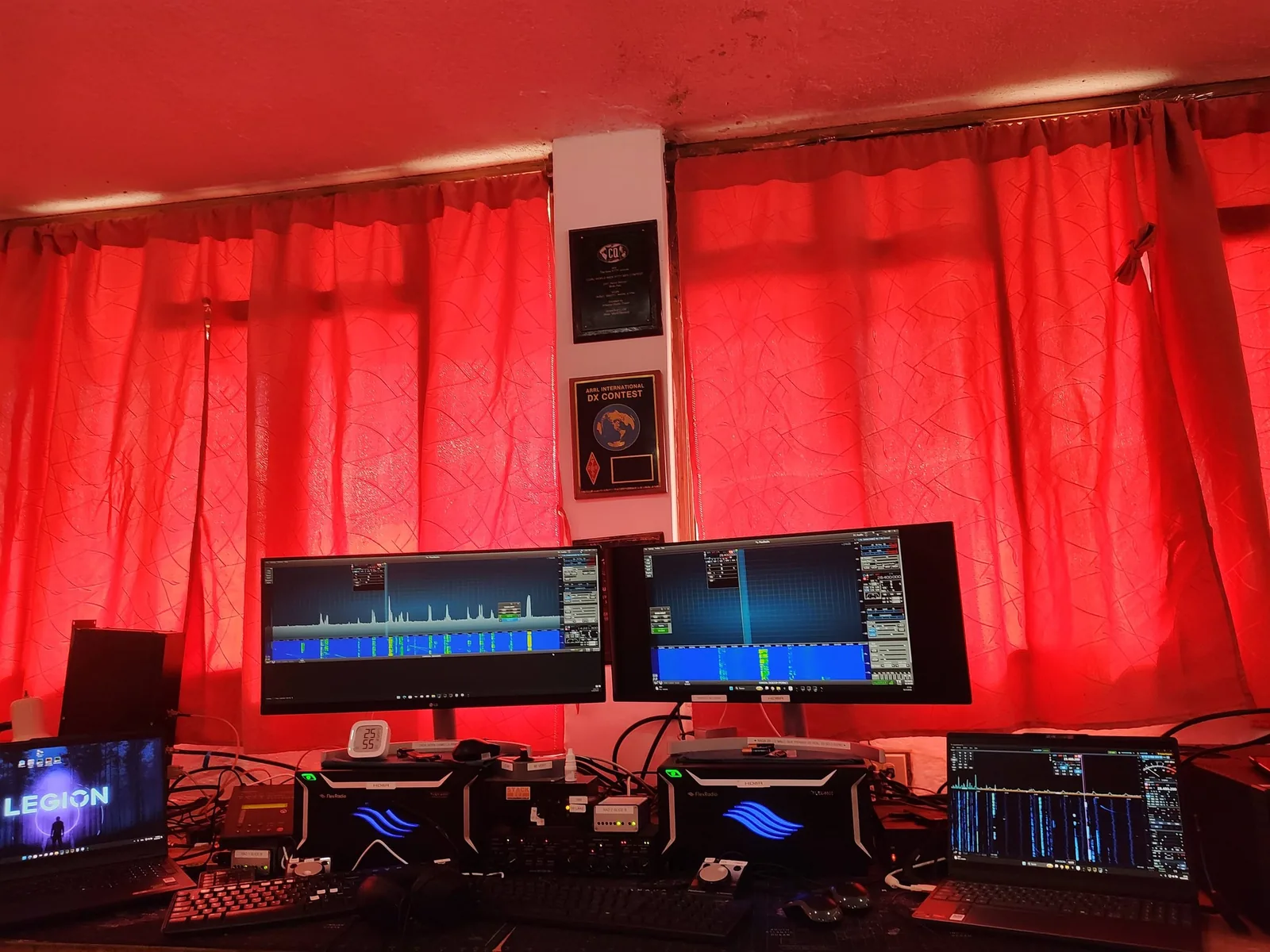
I got into town Wednesday morning. Part of the station was up and running, monitoring FT8, but more importantly, only one rig was fully connected. The rest of the setup was not configured the same way Manu LU9ESD had used it during the ARRL Phone Contest. That meant significant changes in cabling and switching software were required.
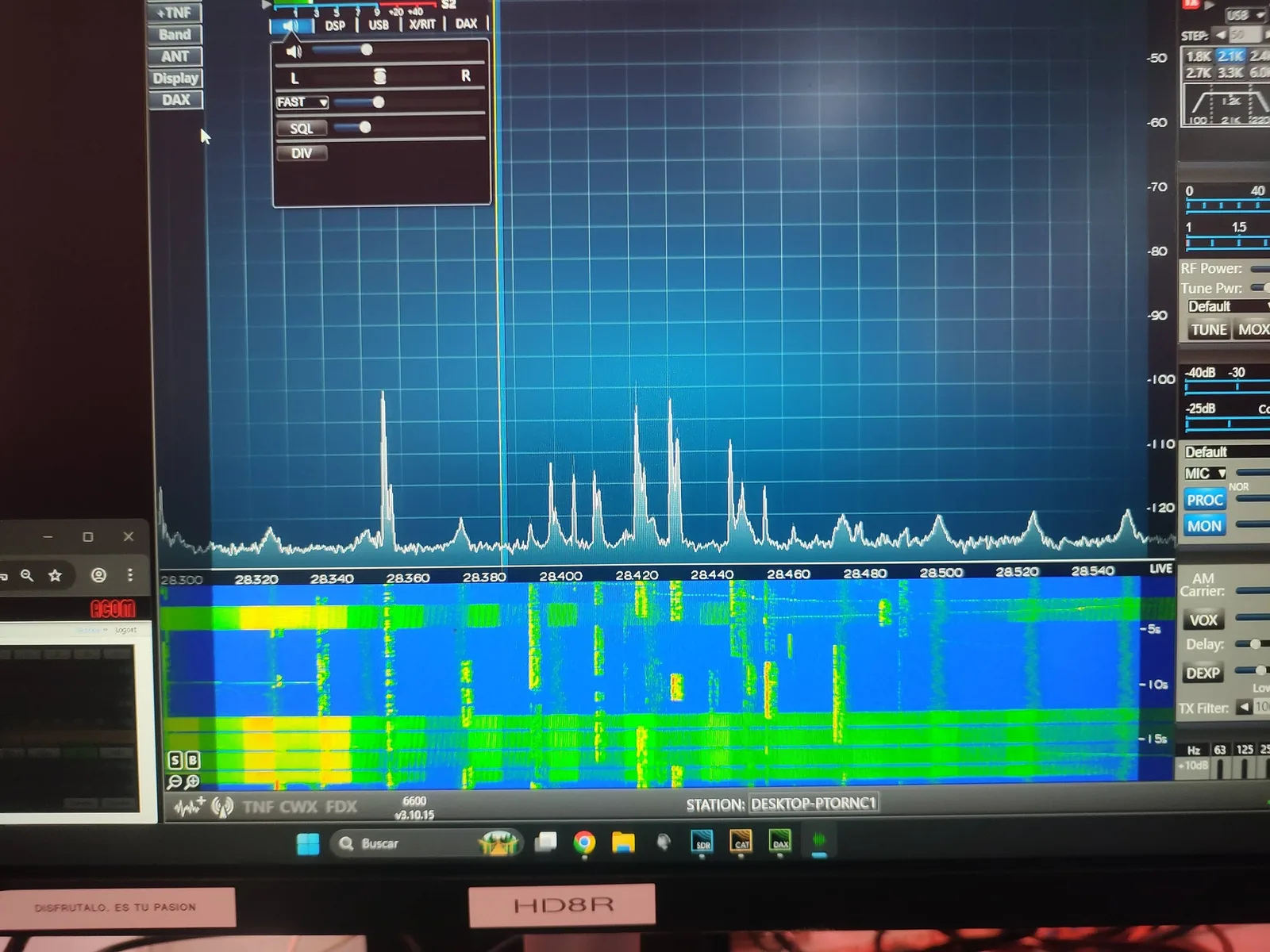
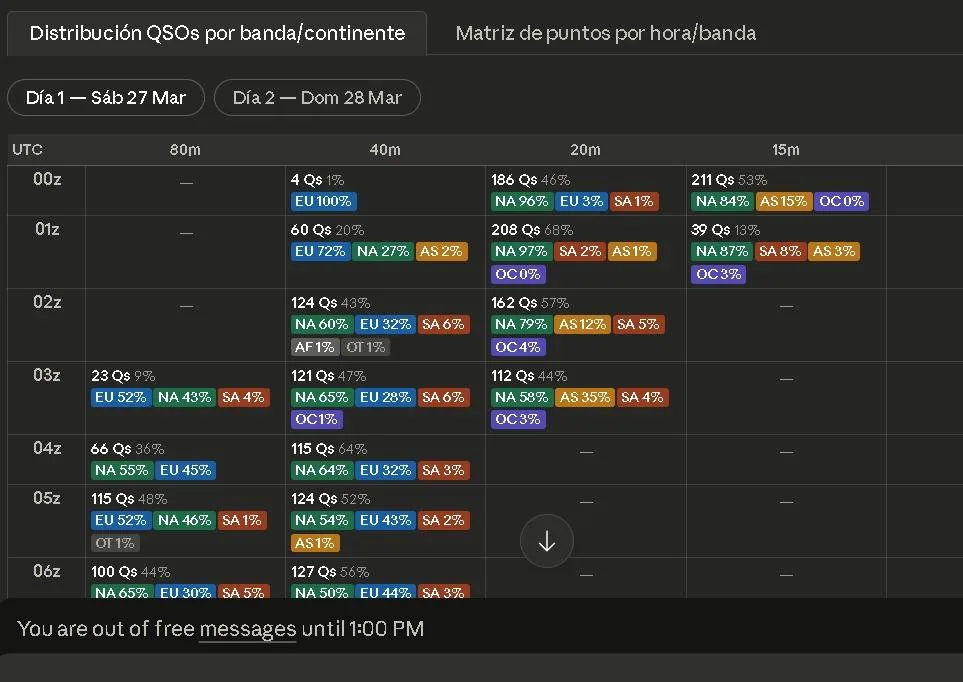
I analyzed logs and PSK Reporter data from previous days. Since only one radio had been active earlier, I had written scripts to automate band changes on the Flex Radio. At home I had a system running with four live maps, updating every 15 minutes, taking screenshots, and storing them.
I also wrote a small script to pull real-time data from the PSK Reporter API. It was fascinating to see propagation shifts visually — especially how dramatically reports changed with solar and geomagnetic activity. One major concern going into the contest was the Solar Flux Index jumping from 108 to 152. Being due south of the U.S., higher SFI doesn't necessarily help us — but there wasn't much I could do about that.
Because of limited antenna ports, Manu had engineered a creative solution with the antenna switches that even allowed Diversity RX on all bands from 40 through 10 meters. Interestingly, the manufacturer had said it wasn't possible — but Manu made it work.
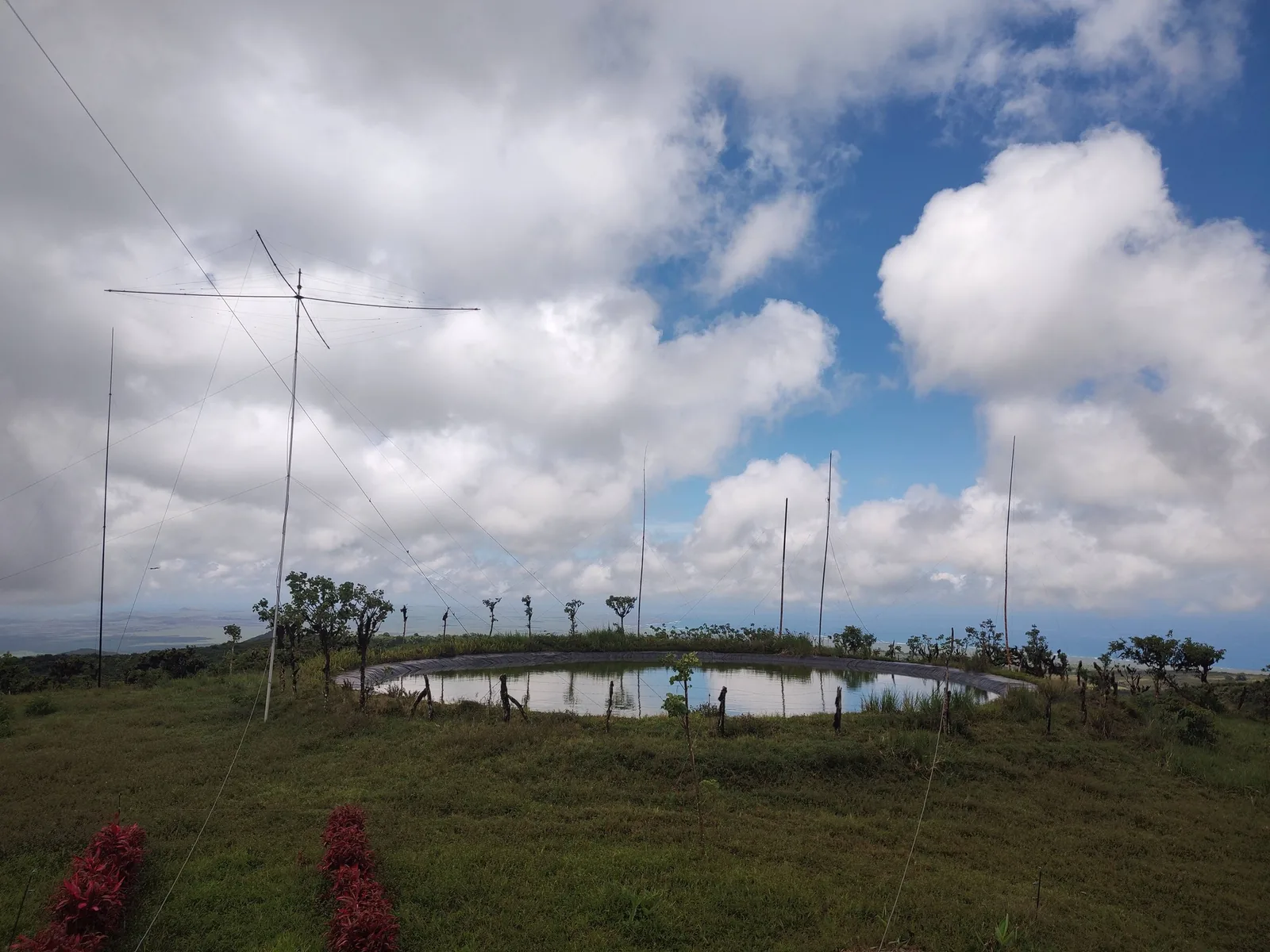
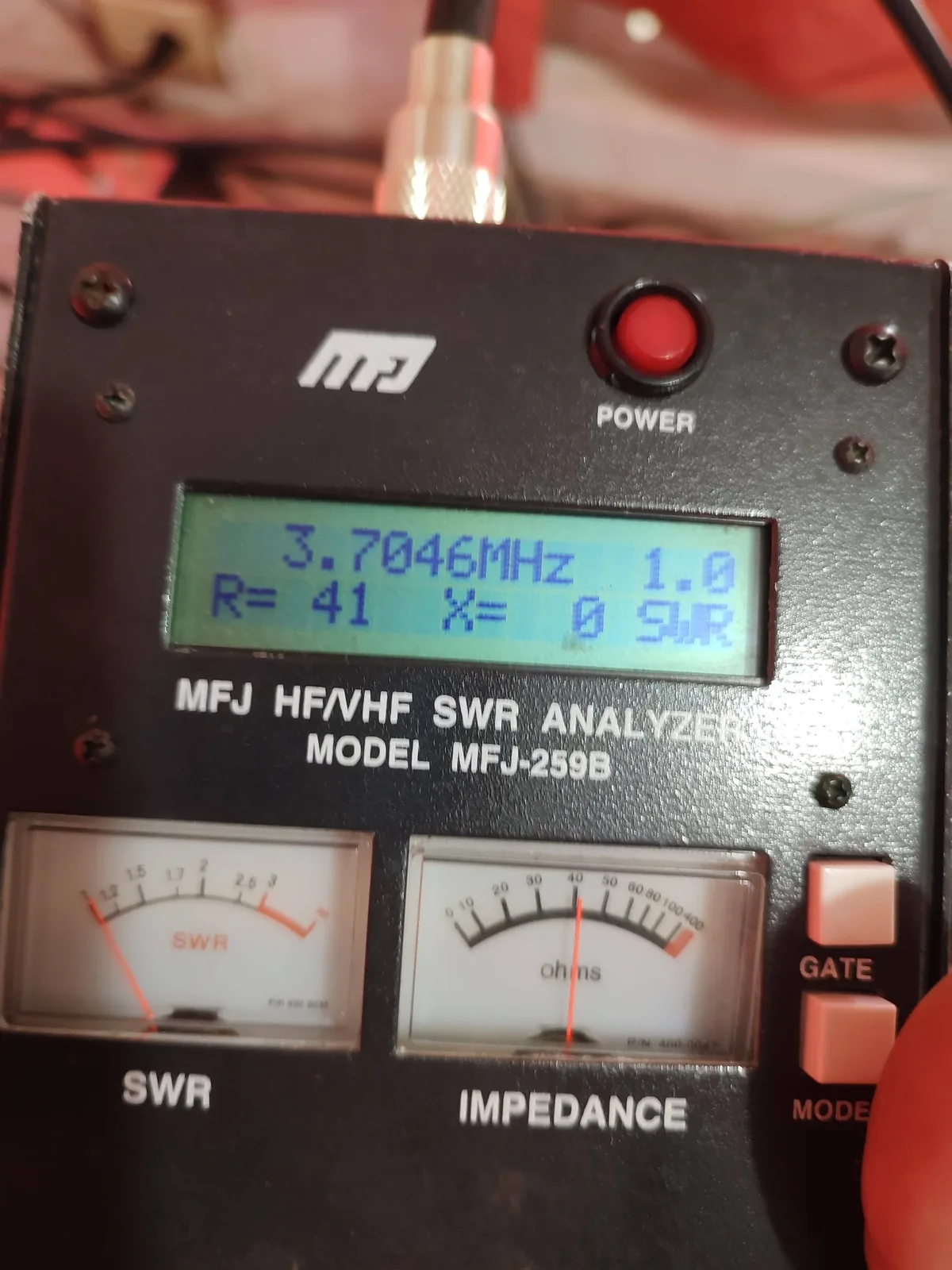
My first task was installing the 80 m vertical antenna. It was hot and humid, as usual, but I wanted to get it done on Wednesday. Meanwhile, Manu was busy setting up at K1LZ for his U.S. record attempt, yet still found time to guide me remotely via video calls. Long story short — he's the only one who truly understands how everything works in that station for SO2R and 2BSIQ.
Thursday: Beverage Plans vs. Reality
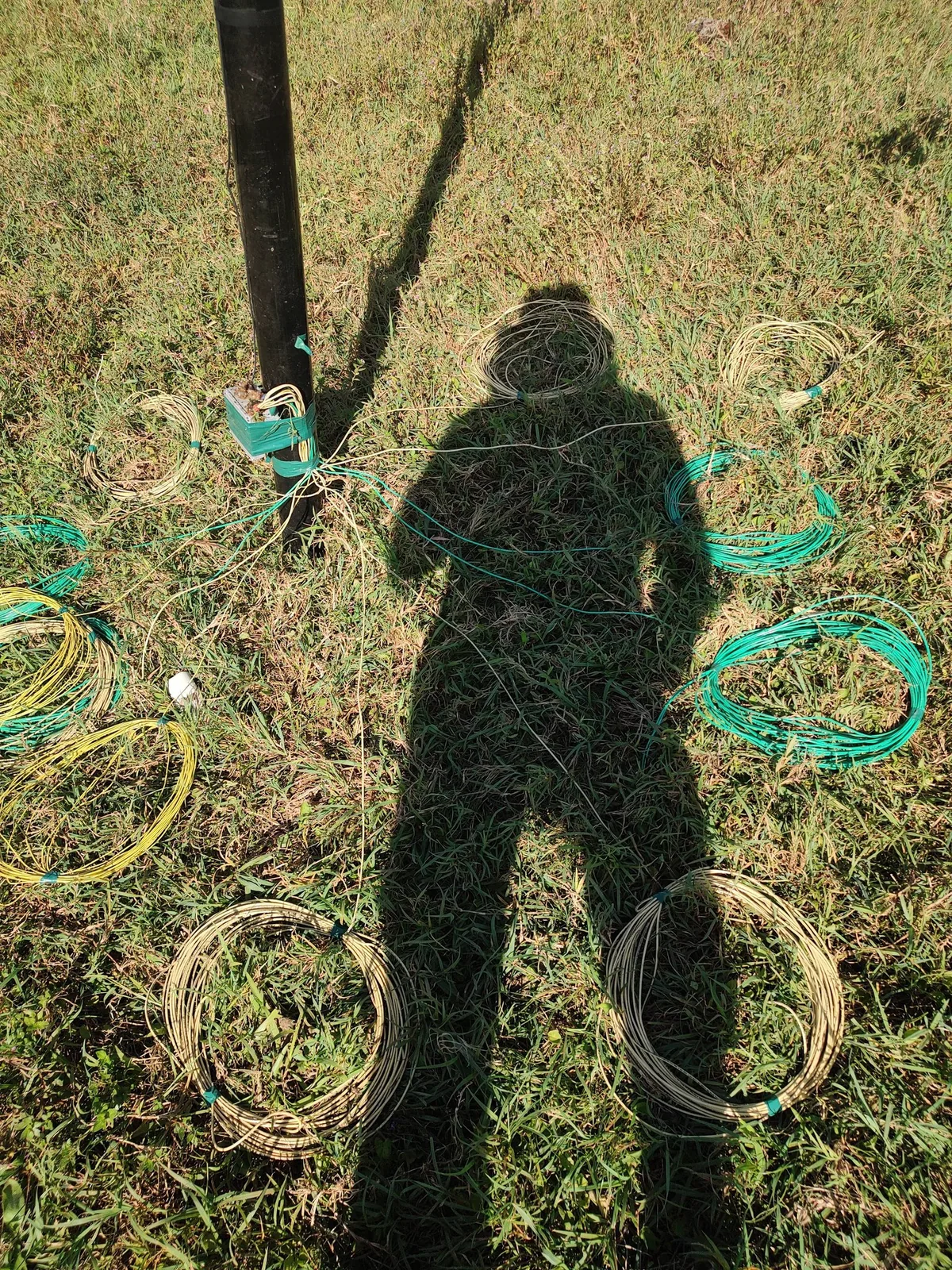
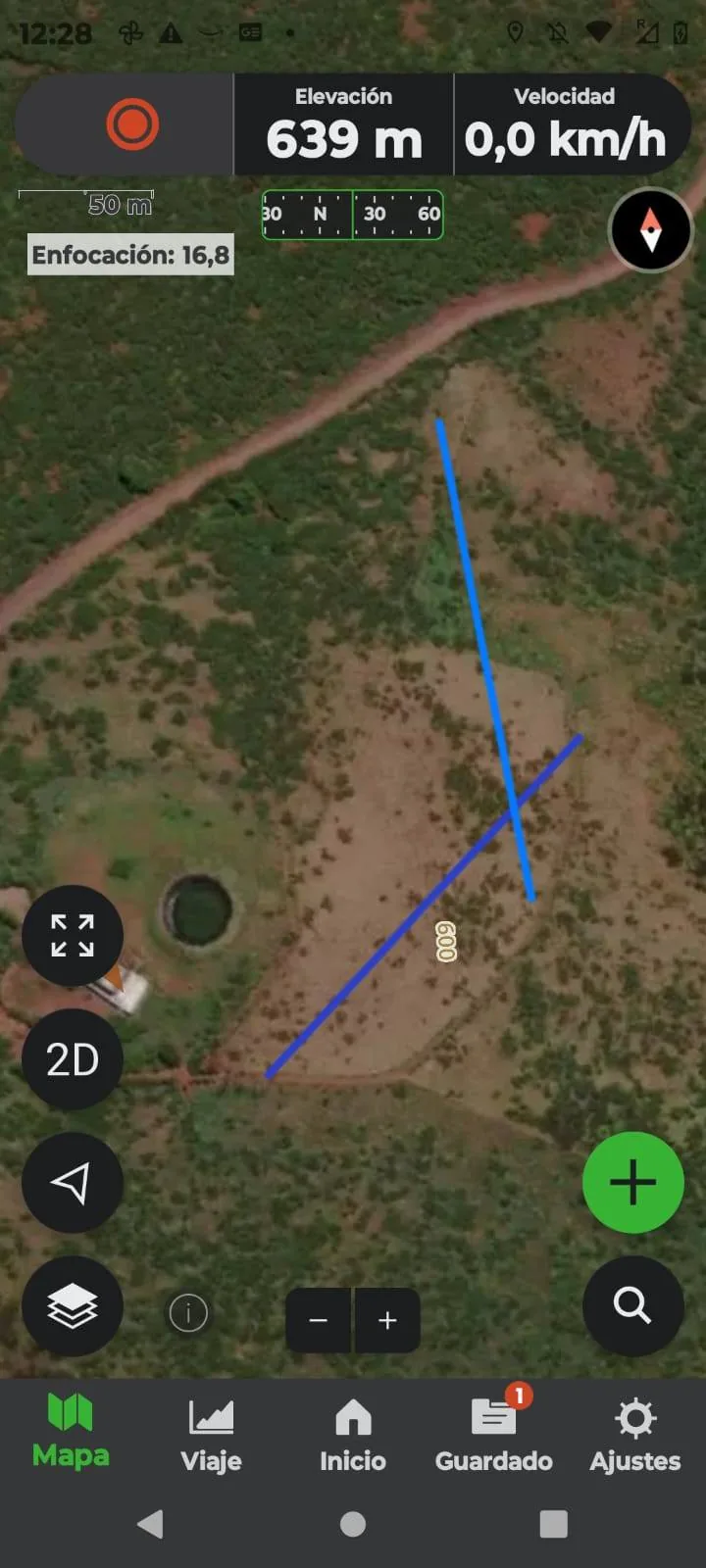
Thursday's goal was to deploy the Beverage antennas. After scouting the terrain the day before, I already knew this wouldn't be easy. The station sits on top of a hill, with sloping ground in all directions. The property is divided into several lots, usually used for cattle grazing.
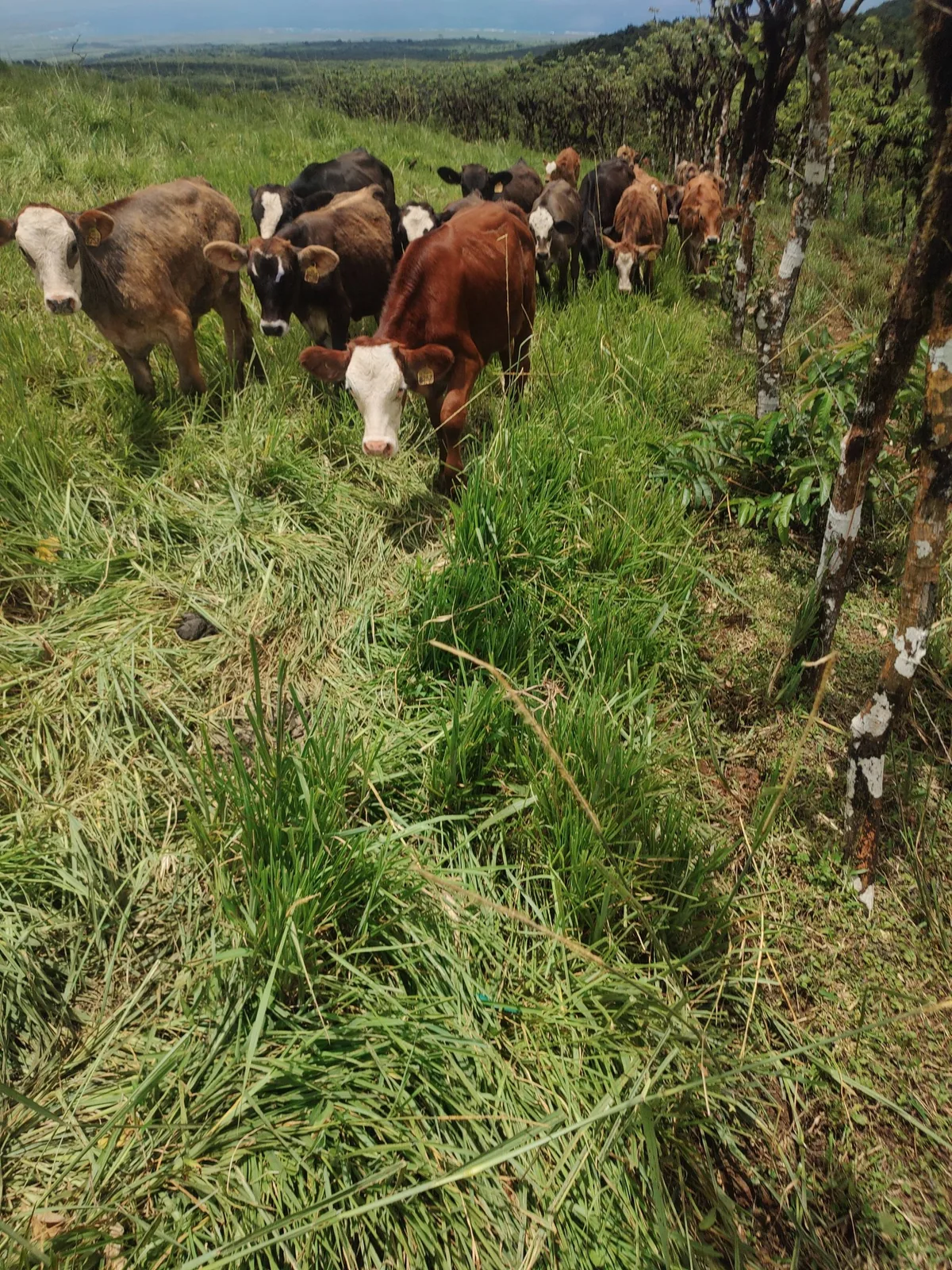
I located the feedpoints and termination points without much trouble. But shortly after connecting the first coax, a group of curious cows approached me. Despite my attempts to shoo them away, they were very interested in what I was doing — and even less impressed with the coax cable. That was the end of the Beverage plan.
The cows weren't supposed to be there, but apparently there wasn't enough grass further down the hill. Rather than risk damage to the antennas (or the cows), I decided to skip installing them altogether.
Final Prep
The rest of Thursday was spent in multiple video calls with Manu, getting everything into shape. By evening, the station was mostly ready.
Friday was more relaxed — double-checking setups, a few more support calls to LU9ESD, and reviewing propagation data.
Gallery
The Contest
The contest itself went mostly fine. The first hour produced 275 QSOs.
I started on 10 meters, and as rates slowed, moved to 15. I deliberately avoided going to 40 too early due to D-layer absorption and heavy activity. Also, our inverted-V arrays on 40 don't perform well — they're simply too low. I planned to move to 40 once EU signals weakened, and that strategy paid off.
Unexpected Issues
Early in the contest, I was forced to take off-time due to a major issue: loss of TX audio on both Flex radios. Classic DAX problems — but this time, even rebooting didn't fix it.
So I adapted:
- Focused heavily on 10 meters on Day 1
- Left part of the 40 Qs for late the second night
- Left most of 15 meters for Sunday
I also adjusted my off-time strategy due to the earlier technical issues. I took rest earlier on the second night and then focused on 40 meters after U.S.–EU activity dropped. That worked very well.
10 and 15 meters were extremely crowded on Saturday. Finding a clear frequency to call CQ was difficult, and even when I did, someone would quickly crowd in, forcing me to QSY.
On 2BSIQ… Not This Time
The plan had been to use N1MM+ with TTS for 2BSIQ operation. But with such short notice, I couldn't train a usable model.
On top of that, N1MM+ behaved oddly with audio switching. Whenever I typed on the second keyboard, RX focus would completely shift to that radio. There was no way to monitor both radios simultaneously when not transmitting.
That confirmed it: 2BSIQ wasn't going to happen. And doing it without TTS? Not realistic for me. I can think of maybe two operators who can do that effectively on SSB without TTS: LU9ESD and N6MJ.
To make things even more "old school," I didn't even have a voice keyer and couldn't record voice messages on the computer. This operation was 100% human voice.
By Sunday, even saying "HD8R" felt like a tongue twister — I had to consciously adjust how I pronounced it to avoid stumbling.
Station Setup
Antennas
- 80 m: 1/4-wave vertical (installed on arrival)
- 40 m: 4-element inverted-V wire array NA + 4-element inverted-V wire array EU
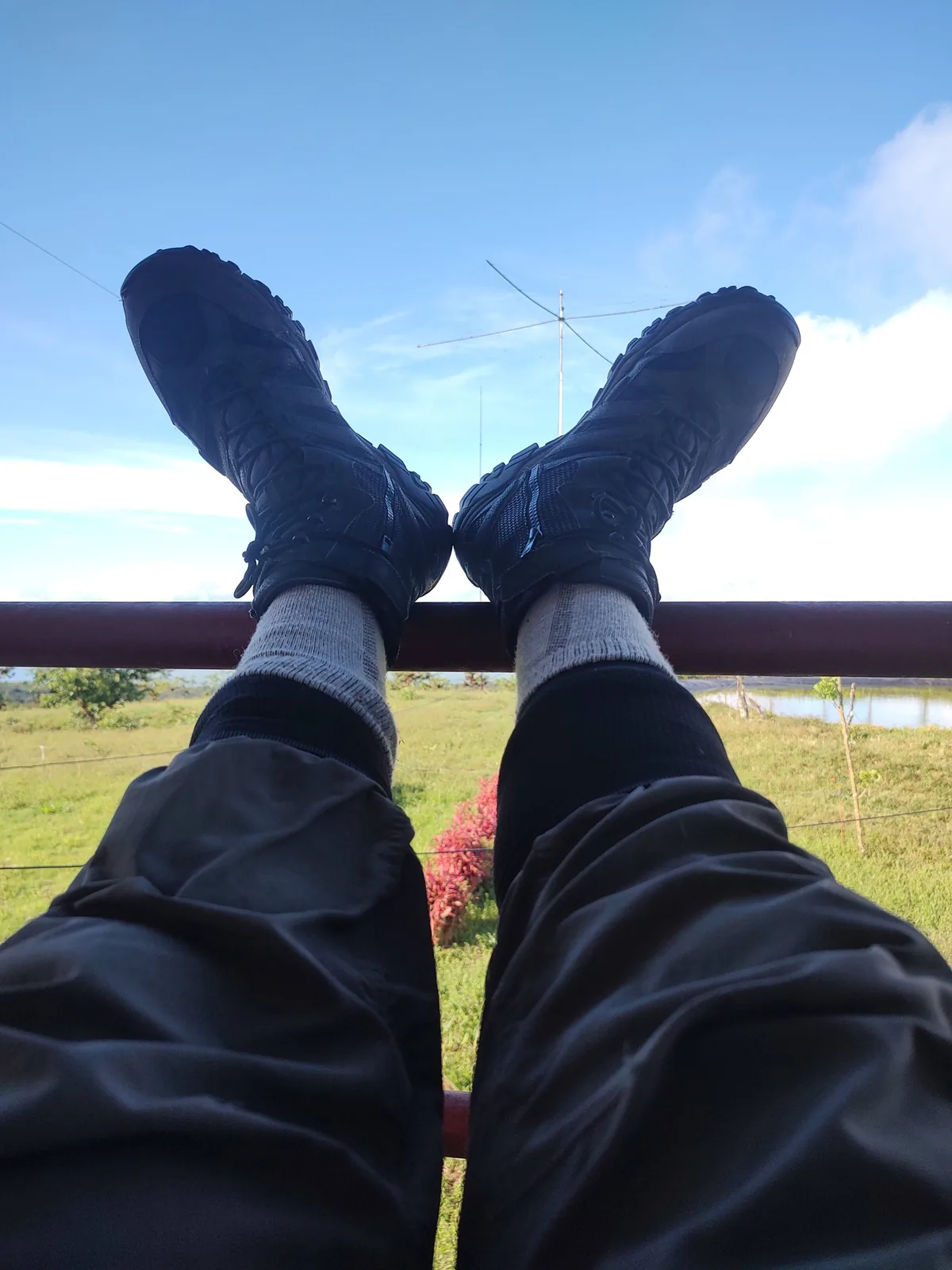
- 20 / 15 / 10 m: Spiderbeam fixed NA + Spiderbeam fixed EU
- RX: None (Beverages skipped — cows)
Radios and amplifiers
- Flex 8600 + Flex 6600
- PGXL + Acom 2000A
Results
| Band | QSOs |
|---|---|
| 160m | — |
| 80m | 17 |
| 40m | 624 |
| 20m | 1,066 |
| 15m | 1,651 |
| 10m | 2,235 |
| Total | 5,593 |
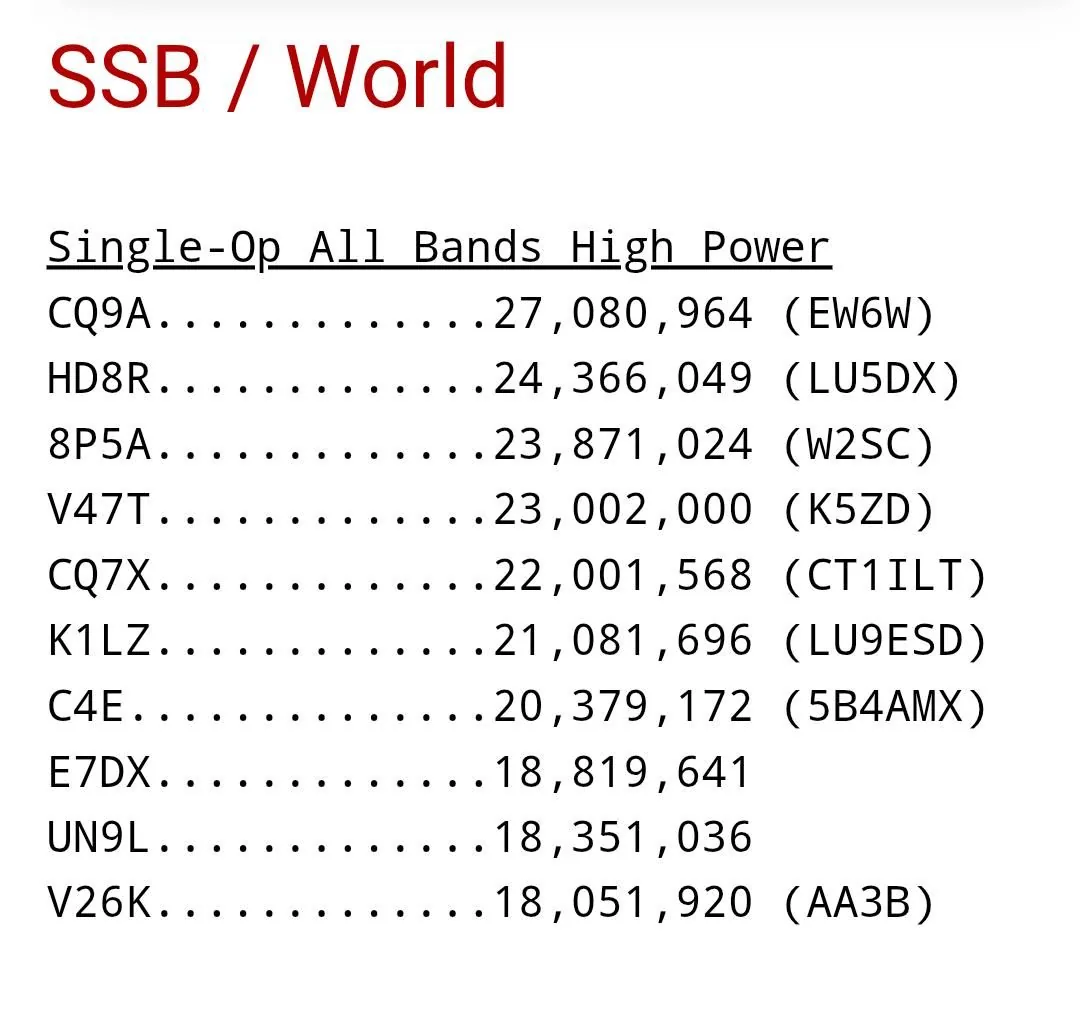
Prefixes: 1,346 — Final score: 24,502,584
Final Thoughts
Despite all the challenges — technical issues, late arrival, missing antennas — it turned into a rewarding experience.
Thanks to everyone for the QSOs, and especially to Mariano, Manu, and Edgar for their support, friendship, and teamwork.
A couple of fun highlights: being called by Rich N6KT and Trey N5KO were definitely standout moments.
Congratulations to all who got on the air to keep our beloved hobby alive. Thanks to those who travel to activate the stations we love to hear: K5ZD at V47T, W2SC at 8P5A (kept me motivated all weekend long), and AA3B at V26K.
To the Multi-Op teams all over the world — amazing scores, especially CN3A, CR3A, Zik and team at P3CR, and many others.
On a special note, congratulations to Manu LU9ESD on his U.S. record. Achieving that without strong 10-meter conditions on Sunday makes it even more impressive!
Vy 73, Martín LU5DX